
Your Heart, Your Home: A South Indian Guide to a Lifetime of Healthy Beats

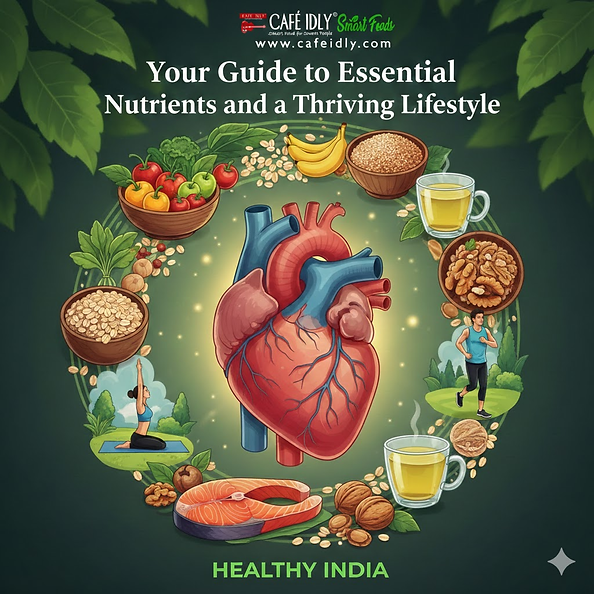
In our bustling lives, filled with deadlines, delicious cravings, and often, a dash of stress, we sometimes forget the silent, tireless work of our heart. But for us, the people of South India, paying attention to heart health isn't just a good idea – it's an urgent necessity.
Why, you ask? Because despite our vibrant culture and rich traditions, statistics paint a concerning picture. South Asians, as a community, are disproportionately affected by heart-related diseases, often at a younger age, and with greater severity. This isn't a scare tactic; it's a call to action, a gentle nudge to empower ourselves with knowledge and make choices that honour our hearts.
This detailed guide is crafted especially for you, my dear friend, to explore the essential nutrients that guard your heart and the lifestyle changes that can transform your health. We’ll delve into the power of unprocessed foods, the wisdom of home-cooked meals, and the undeniable benefits of exercise, all while keeping our unique South Indian context in mind.
Why Are South Asians More Prone to Heart Disease? The Uncomfortable Truth
Let’s address the elephant in the room. This isn't about pointing fingers, but understanding our genetic and environmental predispositions can help us be proactive.
The Numbers Don't Lie:
Higher Risk: Studies consistently show that individuals of South Asian descent have a 2 to 4 times higher risk of heart disease compared to people of European descent.
Earlier Onset: It's not just about risk; it's about timing. Many South Asians experience their first heart attack or develop diabetes, a major risk factor for heart disease, a decade earlier than their Western counterparts.
Unique Fat Storage: One key factor is our genetic predisposition to store fat differently. Even if we appear thin (often called "thin outside, fat inside"), we tend to accumulate more visceral fat – the dangerous fat around internal organs – and also have higher levels of fat in our liver and pancreas. This contributes to higher insulin resistance, leading to type 2 diabetes and, subsequently, heart disease.
"Thrifty Gene" Hypothesis: Some theories suggest that our ancestors, who faced periods of famine, developed "thrifty genes" that efficiently store energy. In today's abundant food environment, especially with easy access to calorie-dense, junk food, these genes can become a liability, promoting weight gain and related metabolic issues.
Dietary Shifts: Our traditional diet, rich in whole grains, pulses, and vegetables, has often given way to more refined carbohydrates, processed foods, and unhealthy fats in urban settings. This shift, combined with reduced physical activity, creates a perfect storm for heart disease.
This data isn't meant to discourage, but to empower. It means we need to be extra vigilant and make conscious choices about our diet and lifestyle.
Essential Nutrients for a Healthy Heart: Your Heart's Best Friends
Our heart, like any other organ, thrives on the right nutrients. Think of them as the building blocks and protective shields that keep it pumping strong.
1. The Mighty Minerals: Magnesium, Potassium, and Calcium
These three are the unsung heroes, working in tandem to regulate your blood pressure and heart rhythm.
Magnesium: Found in leafy greens (like spinach and greens), nuts, seeds (especially pumpkin seeds!), and dark chocolate. Magnesium helps relax blood vessels, thus lowering blood pressure, and keeps your heartbeat steady.
Potassium: Abundant in fruits like bananas, oranges, and vegetables like sweet potatoes, tomatoes, and beans. Potassium helps balance sodium levels in your body, reducing fluid retention and easing tension in blood vessel walls.
Calcium: While we associate it with bones, calcium is crucial for the heart muscle to contract effectively. Get it from dairy, ragi (finger millet), and leafy greens.
2. The Good Fats: Omega-3 Fatty Acids
Not all fats are villains! Omega-3s are truly superstars.
Where to find them: Fatty fish like salmon, mackerel, and sardines are rich sources. For vegetarians, flaxseeds, chia seeds, and walnuts are excellent plant-based options.
Why they're vital: They are potent anti-inflammatory agents, reduce triglycerides (a type of fat in your blood), and help prevent irregular heartbeats.
Think of fiber as your internal broom, sweeping out the bad stuff.
Soluble Fiber: Found in oats, barley, beans, lentils, apples, and citrus fruits. This type of fiber forms a gel-like substance in your digestive tract, binding to cholesterol and preventing its absorption into your bloodstream.
Insoluble Fiber: Found in whole grains, vegetables, and fruit skins. It aids digestion and promotes regularity, indirectly supporting overall health.
4. Antioxidants & Vitamins: The Protectors
These act like bodyguards, shielding your heart from damage.
Vitamin D: Often called the "sunshine vitamin." Low levels are linked to an increased risk of heart disease and high blood pressure. Get it from sunlight exposure, fatty fish, and fortified foods.
Lycopene: A powerful antioxidant found in tomatoes (especially cooked tomatoes), watermelon, and pink grapefruit. It helps prevent the oxidation of LDL ("bad") cholesterol, which is a key step in plaque formation in arteries.
Coenzyme Q10 (CoQ10): A vitamin-like substance that helps generate energy in your cells. The heart, being the hardest-working muscle, has a high demand for CoQ10. It's found in small amounts in meat, fish, and whole grains.
5. Phytosterols: Nature's Cholesterol Blockers
These are plant compounds structurally similar to cholesterol. They compete with cholesterol for absorption in your digestive tract, effectively lowering your LDL cholesterol levels. Find them in nuts, seeds, whole grains, and vegetable oils.
Lifestyle Changes for a Healthy Heart: Small Steps, Big Impact
Knowing about nutrients is just the first step. The real magic happens when we integrate this knowledge into our daily lives.
1. Embrace Whole, Natural Foods and Home-Cooked Meals
This is perhaps the single most impactful change you can make.
The Problem with Processed: The convenience of packaged foods often comes with a hefty price tag for your health. Processed foods are typically laden with unhealthy fats, excessive sodium, refined sugars, and artificial additives – all enemies of your heart. They contribute to inflammation, high blood pressure, and weight gain.
The Power of Unprocessed Foods: Imagine biting into a fresh banana, a crisp cucumber, or a hearty lentil sambar made with love at home. These are the true healthy foods. They are rich in natural nutrients, fiber, and water, keeping you full and energized without the hidden nasties.
The Wisdom of Home-Cooked Meals: When you cook at home, you are in control. You choose the oil, the salt, the spices. You can use less oil, opt for healthier alternatives like groundnut oil or sesame oil in moderation, and load up on vegetables. This aligns perfectly with the "healthy India" vision – a nation where well-being starts in our kitchens.
Our South Indian Diet Advantage: We already have a treasure trove of heart-healthy ingredients! Think about it:
Millets: From unpolished millets like ragi, jowar, bajra, and foxtail millet, to their delicious uses in dosas, idlis, upmas, and even desserts. These are nutrient powerhouses, especially good for managing blood sugar and cholesterol. If you are in Bangalore, you know how easy it is to find millets these days.
Unpolished Rices: Opt for brown rice, red rice, or even local varieties of unpolished rices over refined white rice. They retain their bran and germ, which are packed with fiber, vitamins, and minerals.
Lentils and Legumes: Toor dal, moong dal, masoor dal, chickpeas – staples in our cooking, providing excellent plant-based protein and fiber.
Fresh Vegetables & Fruits: Our markets overflow with a vibrant array of seasonal produce. Load up on them!
Healthy Spices: Turmeric, ginger, garlic, cumin, coriander – these aren't just for flavour; many have incredible anti-inflammatory and antioxidant properties.
2. Say No to Junk Food (or at least, "Seldom")
This includes sugary drinks, deep-fried snacks, highly processed biscuits, and ready-to-eat meals. These are metabolic disruptors, contributing to belly fat, high cholesterol, and insulin resistance. Make them an occasional treat, not a daily habit.
3. Get Moving: The Power of Exercise
Your heart is a muscle, and like any muscle, it needs to be worked to stay strong.
Why it's crucial: Regular physical activity lowers blood pressure, reduces LDL cholesterol, increases HDL cholesterol, helps with weight loss, improves blood sugar control, reduces stress, and strengthens your heart muscle, making it more efficient.
What kind of exercise? You don't need to hit the gym for hours. Aim for at least 150 minutes of moderate-intensity aerobic activity (like brisk walking, swimming, cycling, dancing) or 75 minutes of vigorous-intensity activity (like running, high-intensity interval training) per week. Even gardening, climbing stairs, or a vigorous walk to the local market counts!
Make it a Lifestyle: Find something you enjoy. Morning walks with friends, an evening swim, or even dancing to your favourite tunes – consistency is key.
4. Manage Stress: Your Heart's Silent Enemy
Chronic stress can lead to higher blood pressure, increased heart rate, and even encourage unhealthy coping mechanisms like overeating.
Techniques: Practice mindfulness, meditation, yoga (our ancient heritage!), deep breathing exercises, or simply spend time in nature. Even short breaks to relax and recharge can make a difference.
5. Maintain a Healthy Weight
Excess body weight, especially around the waistline (visceral fat), significantly increases your risk of heart disease, type 2 diabetes, and high blood pressure. Weight loss, even a modest amount, can dramatically improve your heart health. Combine a balanced diet with regular exercise for sustainable results.
6. Adequate Sleep
Quality sleep is restorative for your entire body, including your heart. Chronic sleep deprivation can increase the risk of high blood pressure, diabetes, and obesity. Aim for 7-9 hours of quality sleep per night.
The Bottom Line: Your Heart, Your Choice
My dear friend, our heart is not just an organ; it's the rhythm of our life, the engine of our being. While our South Asian heritage may present unique challenges, it also equips us with incredible advantages – a rich culinary tradition rooted in whole foods and a deep cultural understanding of holistic well-being.
By making conscious choices about the healthy foods we eat, prioritizing home-cooked meals, reducing our reliance on junk food, and integrating regular exercise into our lifestyle, we can empower ourselves to beat the statistics and live long, vibrant lives with strong, healthy hearts. Let us choose life, let us choose health, and let us nurture our hearts with the care they truly deserve.
FAQs: Your Heart Health Queries Answered
1. Is ghee good or bad for heart health? Answer: Ghee, in moderation, can be part of a healthy diet. It contains healthy fats and fat-soluble vitamins. The key is moderation. For someone with existing heart conditions, limiting saturated fats, including ghee, might be recommended by a doctor. Opt for homemade ghee from grass-fed cows if possible, and balance it with unsaturated fats like those from nuts, seeds, and healthy oils.
2. I'm a vegetarian. How can I get enough Omega-3 fatty acids for my heart? Answer: Absolutely! Vegetarians have excellent plant-based sources. Include flaxseeds (alsi), chia seeds, walnuts, and hemp seeds in your diet. You can sprinkle them on salads, add them to smoothies, or incorporate them into your morning oatmeal. Some fortified foods and certain plant-based oils (like flaxseed oil) also contain Omega-3s.
3. How much exercise is truly enough to make a difference? Answer: The general recommendation is at least 150 minutes of moderate-intensity aerobic activity (like brisk walking, cycling at a moderate pace, swimming) per week, or 75 minutes of vigorous-intensity activity (like running, fast cycling, high-intensity interval training). You can break this down into 30 minutes, five days a week, or even shorter, more frequent bursts. The most important thing is consistency and finding an activity you enjoy to make it a sustainable part of your lifestyle.
4. What are some easy ways to include unpolished millets like ragi and jowar in my diet, especially if I'm not used to them? Answer: Start by gradually incorporating them. You can replace a portion of rice with cooked millet for lunch or dinner. Try making ragi dosa, ragi porridge, or jowar roti. Many South Indian dishes can be adapted by using millet flour in place of or in combination with rice flour. For instance, there are delicious millets in Bangalore cafes and restaurants, showcasing how versatile they are. You can also buy unpolished millets and grind them into flour at home for freshness.
5. Are all "healthy" snack options in the market truly good for my heart? Answer: Not necessarily. Many products marketed as "healthy" or "diet" snacks can still be high in sodium, hidden sugars, unhealthy fats, or artificial ingredients. Always read the nutrition labels carefully. Look for snacks with short ingredient lists, whole ingredients, high fiber, and low added sugar and sodium. Opt for natural food like fresh fruits, a handful of nuts, or homemade roasted chana as genuinely healthy options.
6. I have a family history of heart disease. Does that mean I'm destined to get it too? Answer: While a family history of heart disease does increase your risk, it doesn't mean it's your destiny. Genetics load the gun, but lifestyle pulls the trigger. By actively adopting a heart-healthy diet rich in whole foods, incorporating regular exercise, maintaining a healthy weight, quitting smoking, and managing stress, you can significantly reduce your risk and even delay the onset of heart disease. Be proactive and work closely with your doctor for regular check-ups.
______________________________________________________________________________
Learn More about Natural whole foods here on our websites Learn More about Natural whole foods here on our websites http://www.cafemillets.com and www.cafeidly.com.
We offer Unpolished Traditional Rice,Unpolished Millets,Cold Pressed Oils, Idli Batter(Delivery within Bangalore),Dry chutney powder, Sukkumalli powder(Dry Ginger powder), Country sugar, Palm Jaggery, Whole Flax Seeds, Uthukuli Pure Cow Ghee. Sprouted Whole Grain Flour, Health Mix etc
Contact us on +919738457254 for orders; we deliver throughout India.
Join us in our endeavour to promote Natural Whole foods as an healthier option to junk foods and work towards making our society healthier.
Say NO to processed food and say YES to natural foods. Let food be thy medicine.
thanks for your visiting our website
We offer Unpolished Traditional Rice,Unpolished Millets,Cold Pressed Oils, Idli Batter(Delivery within Bangalore),Dry chutney powder, Sukkumalli powder(Dry Ginger powder), Country sugar, Palm Jaggery, Whole Flax Seeds, Uthukuli Pure Cow Ghee. Sprouted Whole Grain Flour, Health Mix etc
Contact us on +919738457254 for orders; we deliver throughout India.
Join us in our endeavour to promote Natural Whole foods as an healthier option to junk foods and work towards making our society healthier.
Say NO to processed food and say YES to natural foods. Let food be thy medicine.
thanks for your visiting our website


Comments